
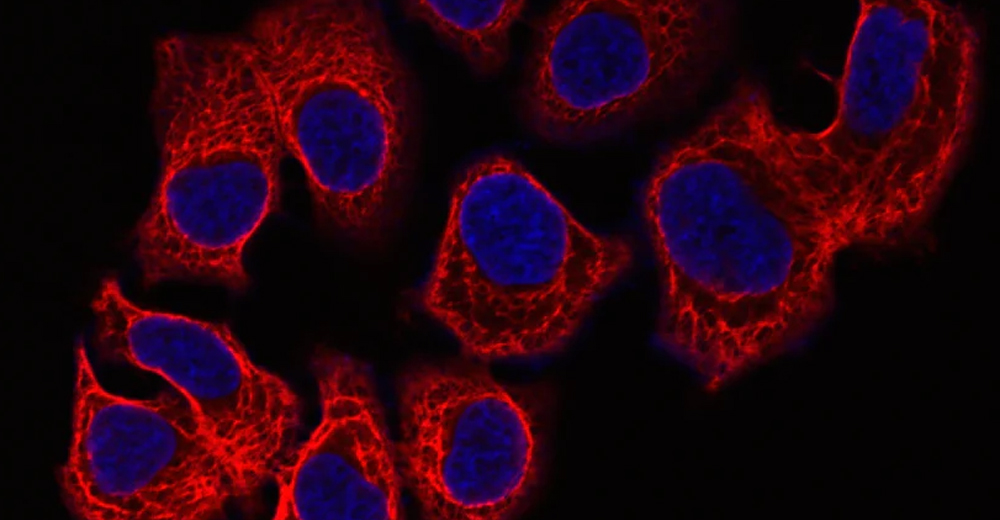
In antibody research, the reliability of results depends heavily on antibody specificity. One of the most rigorous ways to ensure this specificity is through knockout (KO) and knockdown (KD) validation. These validation strategies allow researchers to confirm that an antibody binds exclusively to its intended target—and not to unrelated proteins—thereby increasing reproducibility and confidence in experimental results.
This blog provides a scientific overview of KO/KD validation, why it matters, and how it’s performed in leading antibody development workflows such as at KinesisDx.
What Is KO/KD Validation?
KO (Knockout) Validation involves using a cell line or organism in which the gene encoding the target protein has been completely deleted (knocked out). The idea is simple: if an antibody is truly specific, it should show no signal in KO cells or tissue, while still detecting the target protein in wild-type (WT) counterparts.
KD (Knockdown) Validation typically involves silencing gene expression using RNA interference (siRNA or shRNA). This reduces—but doesn’t fully eliminate—the expression of the target protein. A specific antibody should show significantly decreased signal in the KD sample compared to the control.
Both methods provide experimental evidence that the antibody is not cross-reacting with unrelated proteins.
Why Is KO/KD Validation Important?
How Is KO/KD Validation Performed?
2. Apply Antibody in Parallel Conditions:
3. Interpret the Signal:
4. Include Controls:
oPositive and negative controls must be included to rule out non-specific binding or background artifacts.
KO/KD Validation at KinesisDx
At KinesisDx, KO and KD validations are a cornerstone of our antibody quality assurance. Antibodies are tested in gene-edited cell lines or silencing assays depending on protein availability and biological relevance. In addition, we perform:
Our validation approach ensures that each antibody delivers trusted performance in real-world research applications.
Conclusion
KO and KD validations are not marketing claims—they are scientific practices that ensure confidence and reproducibility in research. When selecting antibodies, especially for critical applications like cancer signaling, stem cell profiling, or immunology, always look for KO/KD-validated reagents.
At KinesisDx, we make these validations transparent and accessible to help you move faster from experiment to insight.
Learn more about our antibody validation process here → See Our Validation Standards