
This gene encodes a member of the p53 family of transcription factors. The functional domains of p53 family proteins include an N-terminal transactivation domain, a central DNA-binding domain and an oligomerization domain. Alternative splicing of this gene and the use of alternative promoters results in multiple transcript variants encoding different isoforms that vary in their functional properties. These isoforms function during skin development and maintenance, adult stem/progenitor cell regulation, heart development and premature aging. Some isoforms have been found to protect the germline by eliminating oocytes or testicular germ cells that have suffered DNA damage. Mutations in this gene are associated with ectodermal dysplasia, and cleft lip/palate syndrome 3 (EEC3); split-hand/foot malformation 4 (SHFM4); ankyloblepharon-ectodermal defects-cleft lip/palate; ADULT syndrome (acro-dermato-ungual-lacrimal-tooth); limb-mammary syndrome; Rap-Hodgkin syndrome (RHS); and orofacial cleft 8.
- “Bid Rabbit Monoclonal Antibody [KD Validated]” already exists in your wishlist
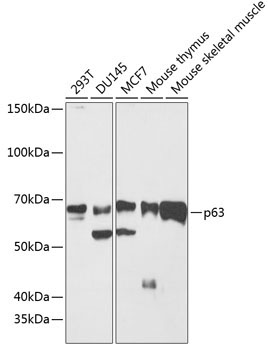
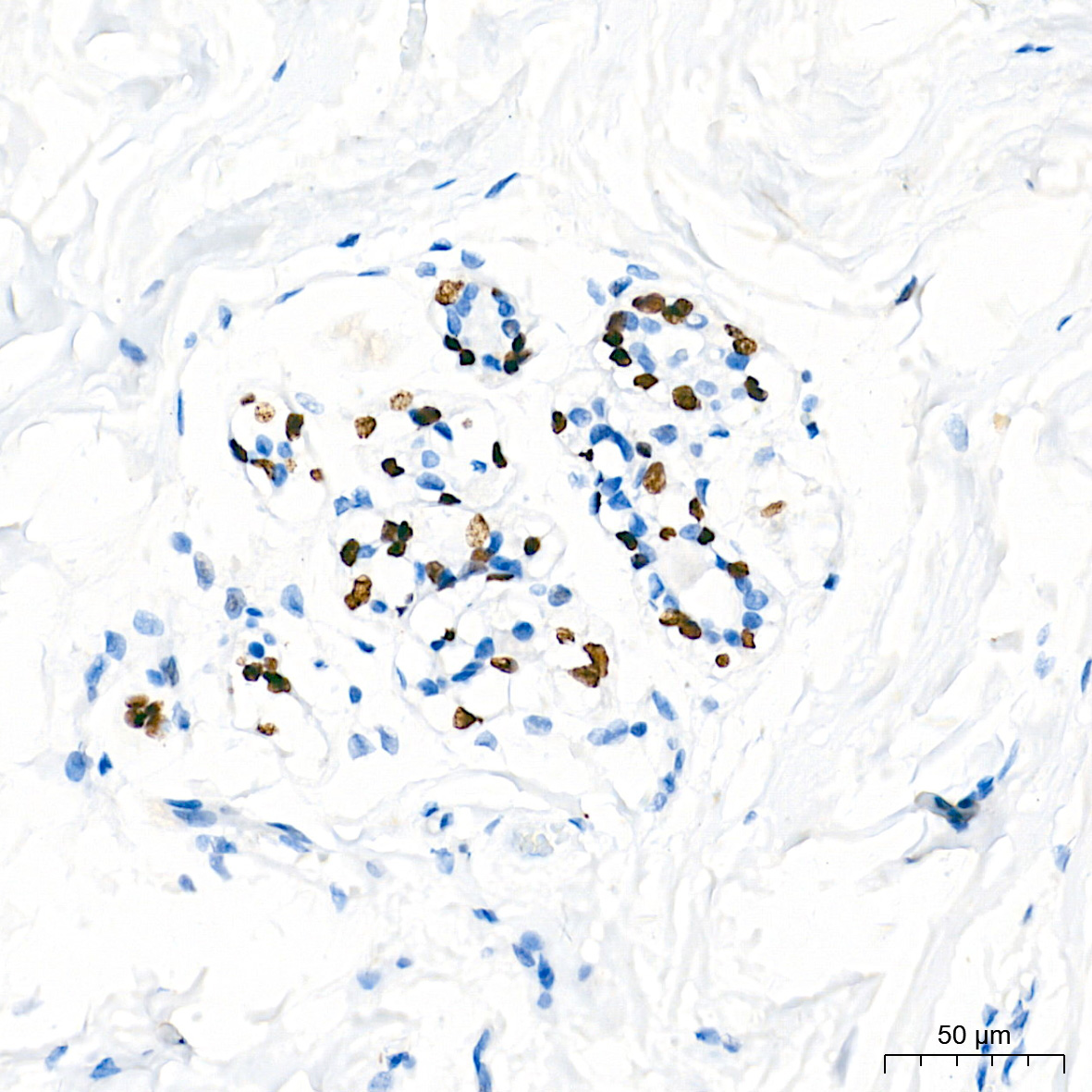
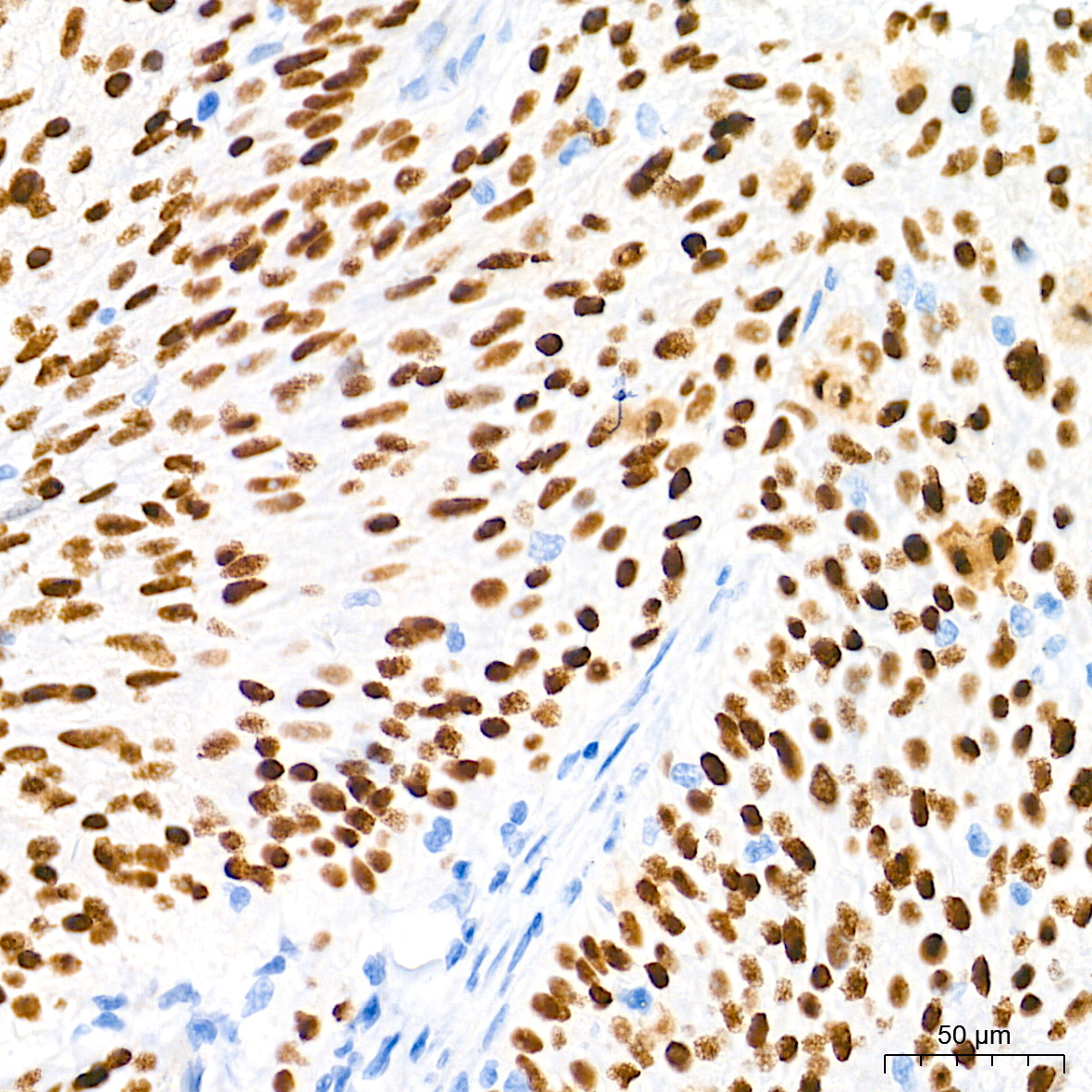
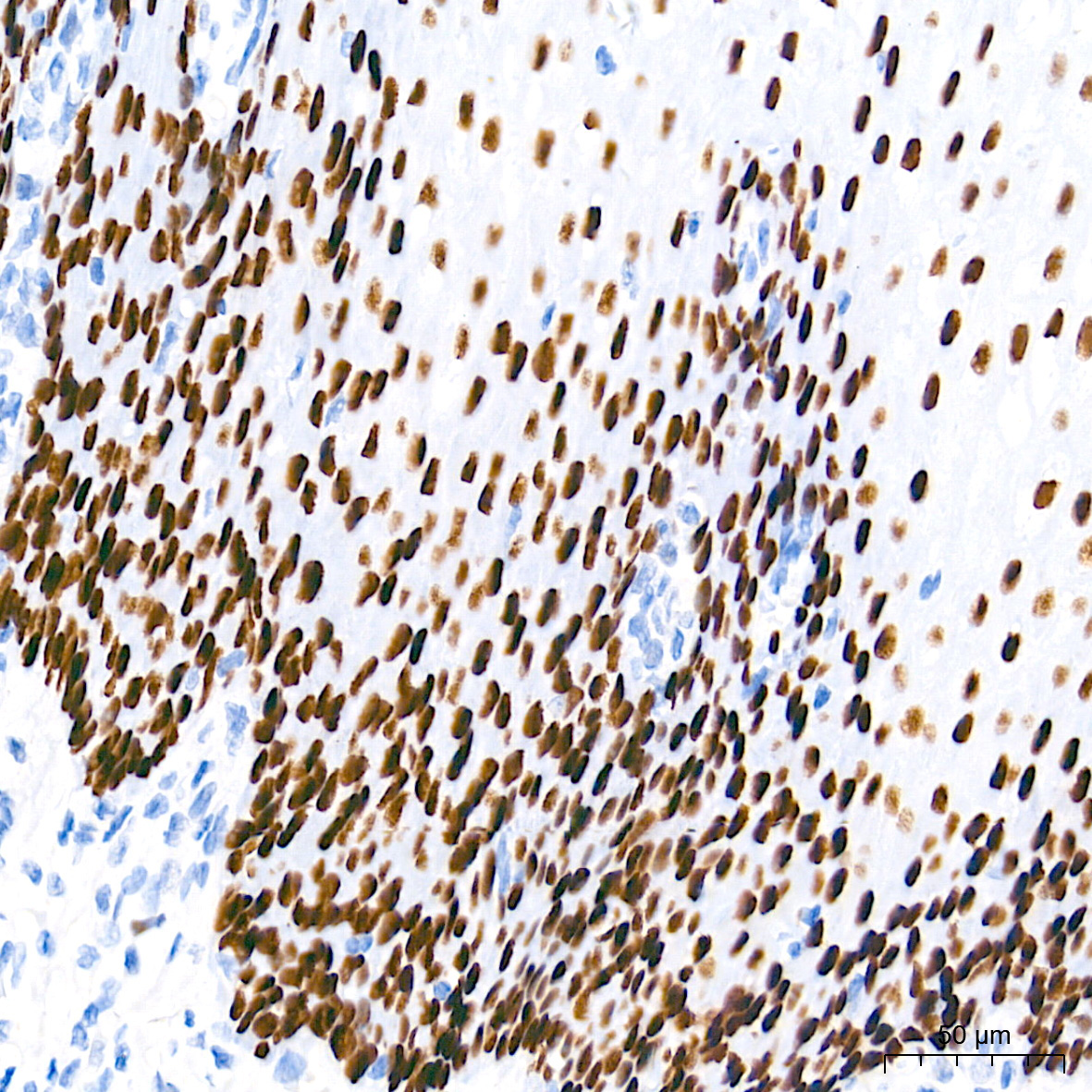
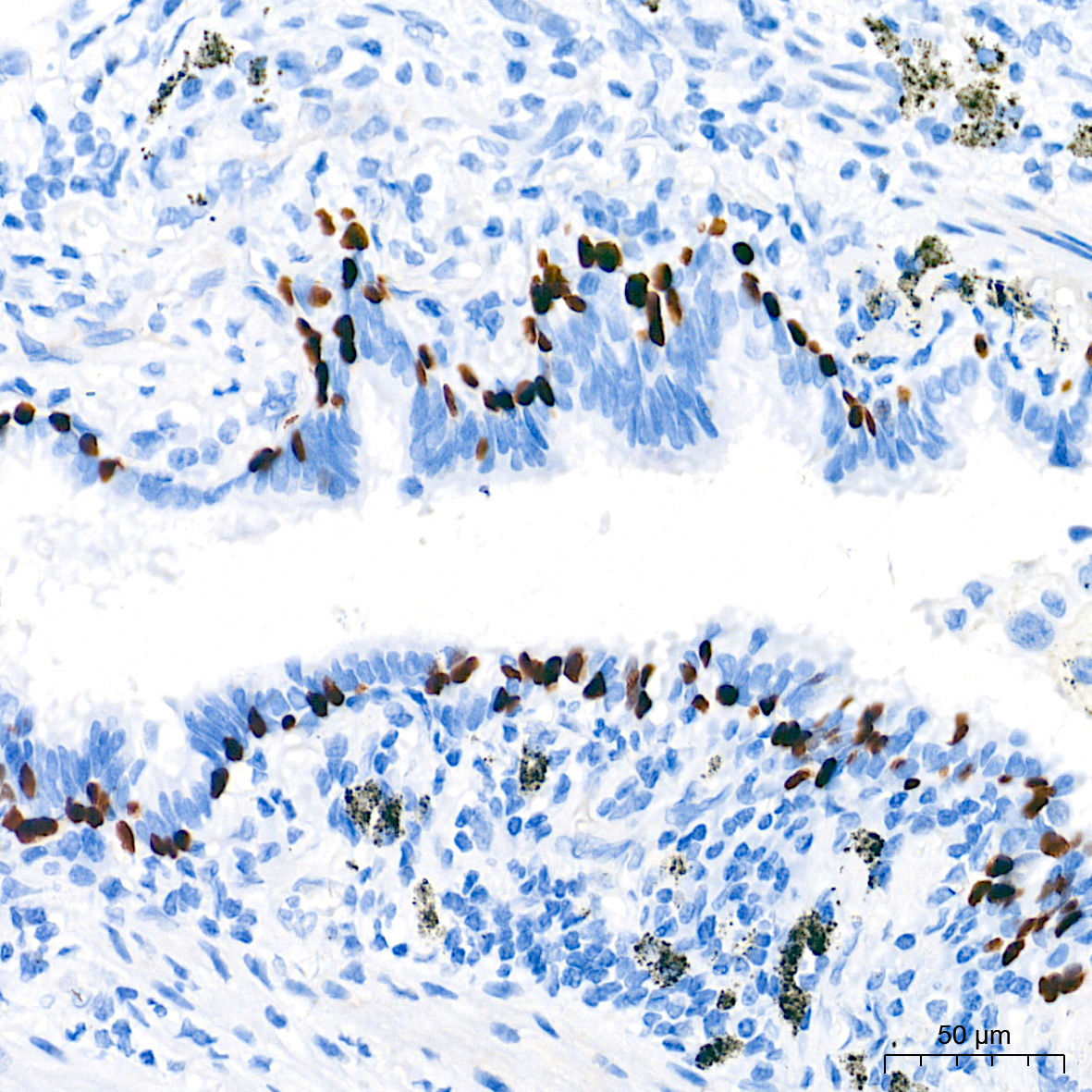
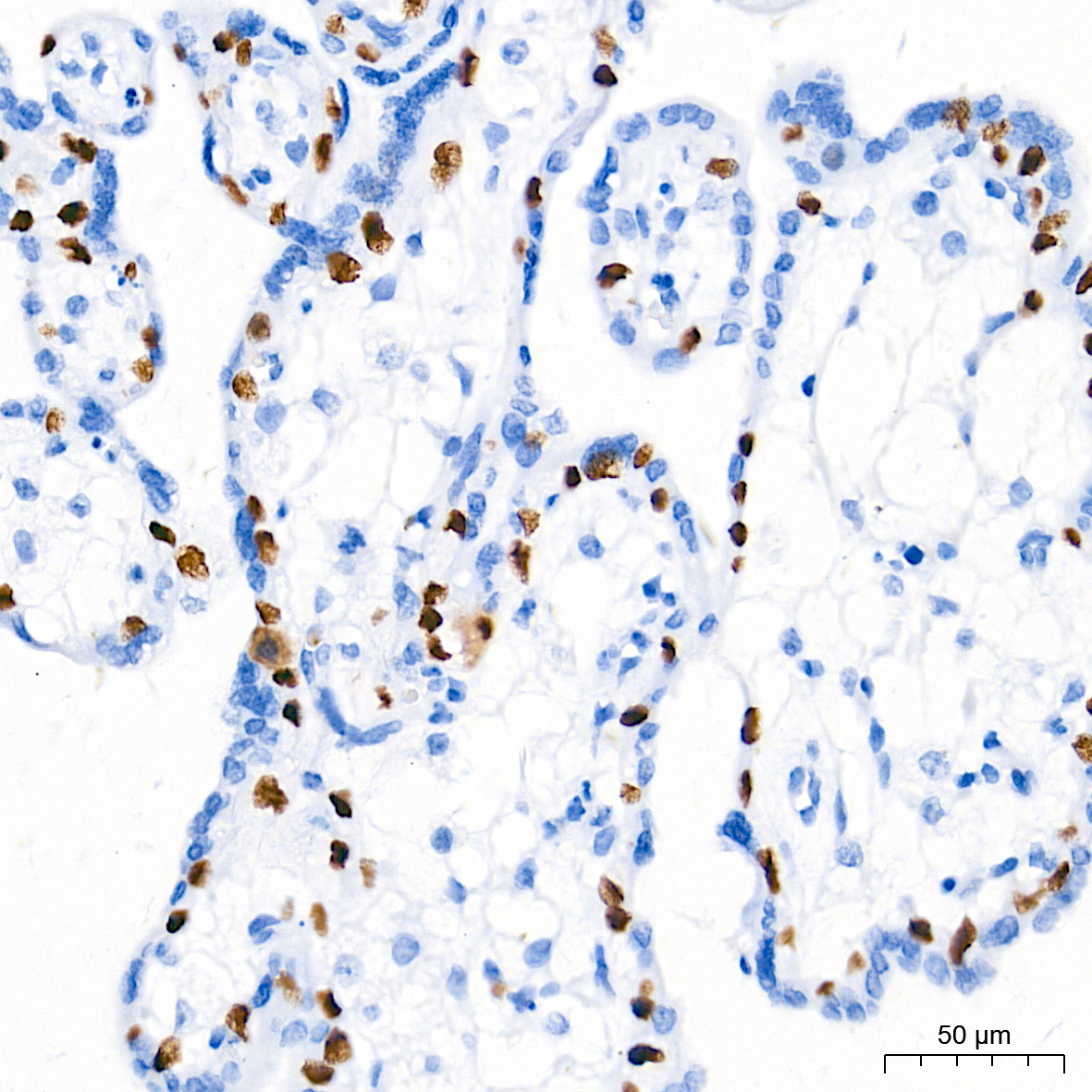
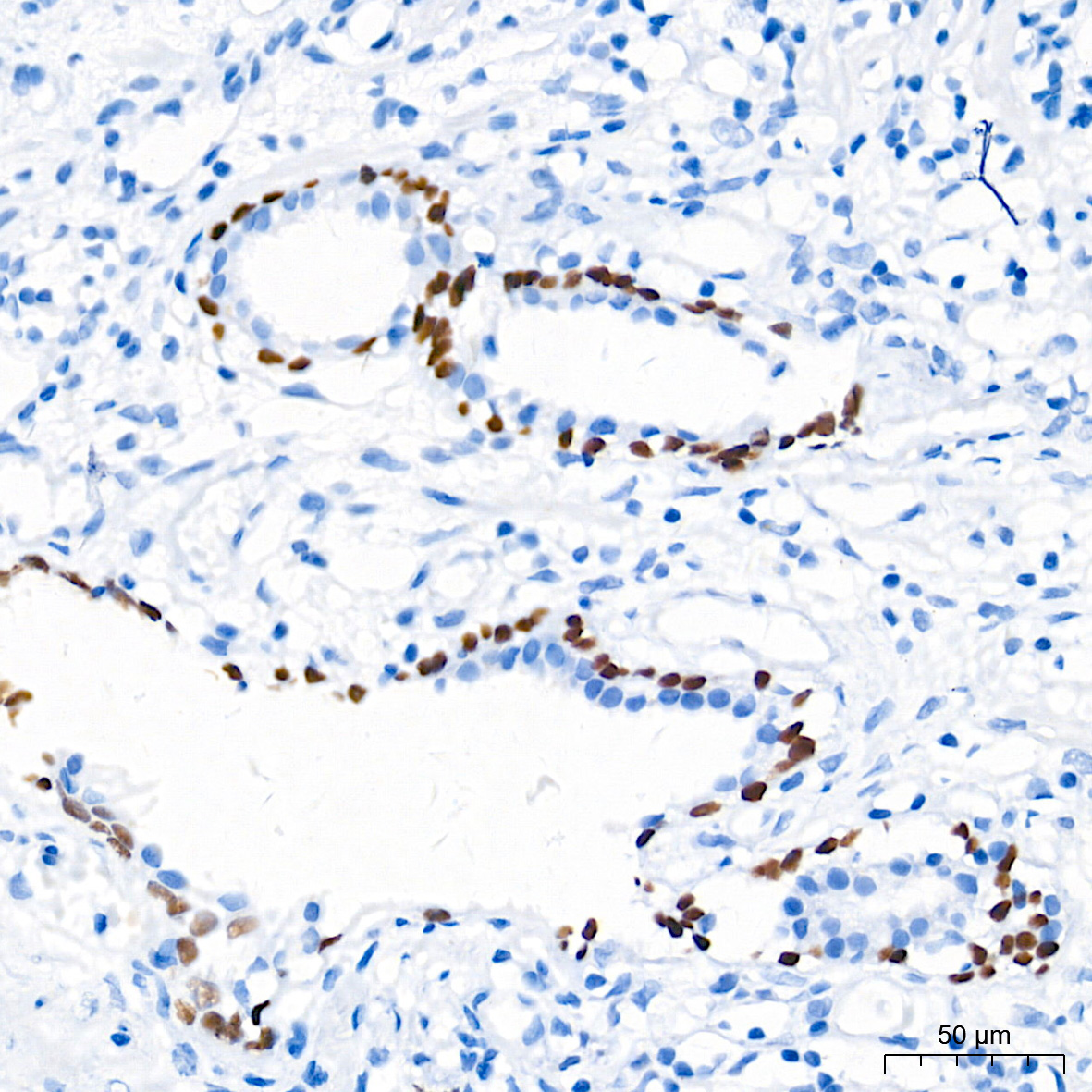

| Pack Size | 100ul, 1ml, 20ul |
|---|---|
| Applications | ELISA, IHC-P, WB |
| Host Species | Rabbit |
| Ig Isotype | IgG |
| Antibody Type | Monoclonal Antibody |
| Organism Species | Human |
| Concentration | – |
| Product Synonyms | p63 |
| Observed Mol Wt | 77kDa |
| Alternative Names | AIS; KET; LMS; NBP; RHS; p40; p51; p63; EEC3; OFC8; p73H; p73L; SHFM4; TP53L; TP73L; p53CP; TP53CP; B(p51A); B(p51B) |
| Immunogen (Antigen) | Recombinant protein |
| Format | Liquid |
| Buffer Formulation | 0.05% BSA, 50% glycerol, PBS with 0.02% sodium azide, pH7.3 |
| Reactivity | Human, Mouse |
| Uniprot ID | 8626 |
| Gene ID | Q9H3D4 |
| Potency (Clone Number) | ARC0131 |
| Purification | Antigen-specific affinity chromatography followed by Protein A affinity chromatography |
| Usage | For Research Use Only. Not for diagnostics or human use. |
| Shelf Life | 12 months at time of shipping |
| Shipping | Shipped in Dry Ice at -20 Degree Celsius |
| Storage | Store at -20 Degree Celsius. It is recommended to aliquot and store to avoid repeated freeze-thaw as it affects the stability of the antibody. |
| Research Areas | Cancer, Cell Biology, Immunology |
| KD/KO Validated | KD Validated |
| Disclaimer | The data indicated herein are as indicated and validated in our laboratory. These reagents are for research use only and not for in-vitro diagnostics or human use. |
Related Products
-
![LC3B Rabbit Monoclonal Antibody [KD Validated]](https://www.kinesisdx.com/wp-content/uploads/2026/10/KDXB200070_1.jpg) Sale
Sale
-
![Bid Rabbit Monoclonal Antibody [KD Validated]](https://www.kinesisdx.com/wp-content/uploads/2026/10/KDXB200012_1.jpg) Sale
Sale
-
![MCM6 Rabbit Monoclonal Antibody [KD Validated]](https://www.kinesisdx.com/wp-content/uploads/2026/10/KDXB200075_1.jpg) Sale
Sale
-
![COPB2 Rabbit PolyMonoclonal Antibody [KD Validated]](https://www.kinesisdx.com/wp-content/uploads/2025/05/A22646_ARC52625-01_ARC52626-01_WB_01-370x444.jpg) Sale
Sale
-
![KMT5A/SETD8 Rabbit Monoclonal Antibody [KD Validated]](https://www.kinesisdx.com/wp-content/uploads/2026/10/KDXB200066_1.jpg) Sale
Cell Biology
Sale
Cell BiologyKMT5A/SETD8 Rabbit Monoclonal Antibody [KD Validated]
Price range: $110.00 through $430.00 -
![EGFR Rabbit PolyMonoclonal Antibody [KD Validated]](https://www.kinesisdx.com/wp-content/uploads/2025/05/A24388_ARC61438-01_ARC60682-01_KO-WB_01-370x444.jpg) Sale
Sale
Reviews
There are no reviews yet.