
This gene encodes an abundant nuclear protein that binds with high affinity to nascent poly(A) tails. The protein is required for progressive and efficient polymerization of poly(A) tails at the 3′ ends of eukaryotic transcripts and controls the size of the poly(A) tail to about 250 nt. At steady-state, this protein is localized in the nucleus whereas a different poly(A) binding protein is localized in the cytoplasm. This gene contains a GCG trinucleotide repeat at the 5′ end of the coding region, and expansion of this repeat from the normal 6 copies to 8-13 copies leads to autosomal dominant oculopharyngeal muscular dystrophy (OPMD) disease. Related pseudogenes have been identified on chromosomes 19 and X. Read-through transcription also exists between this gene and the neighboring upstream BCL2-like 2 (BCL2L2) gene.
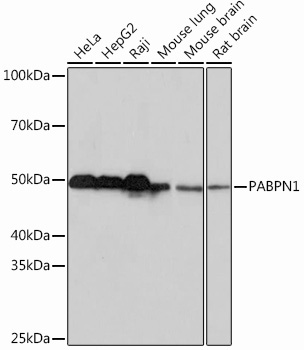
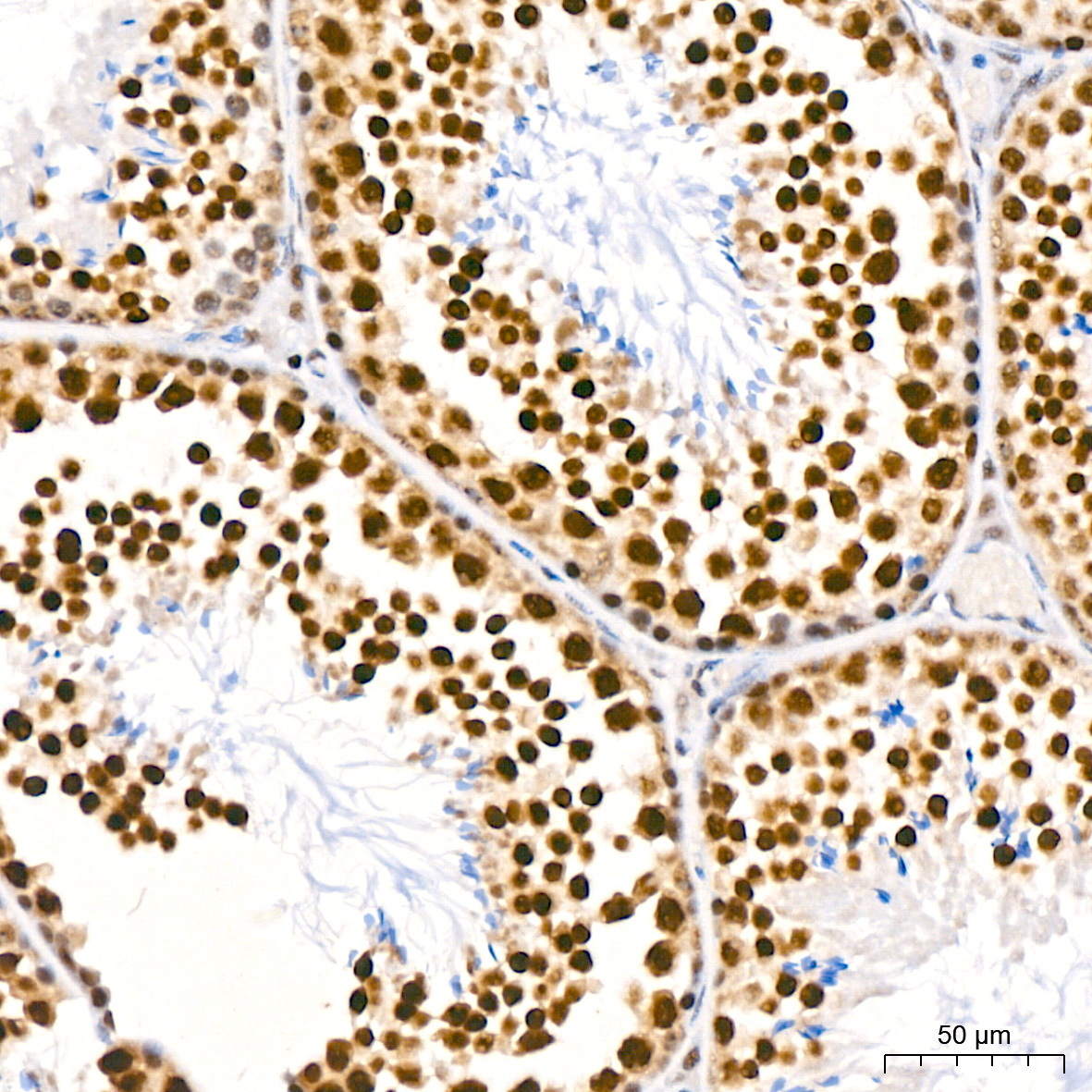
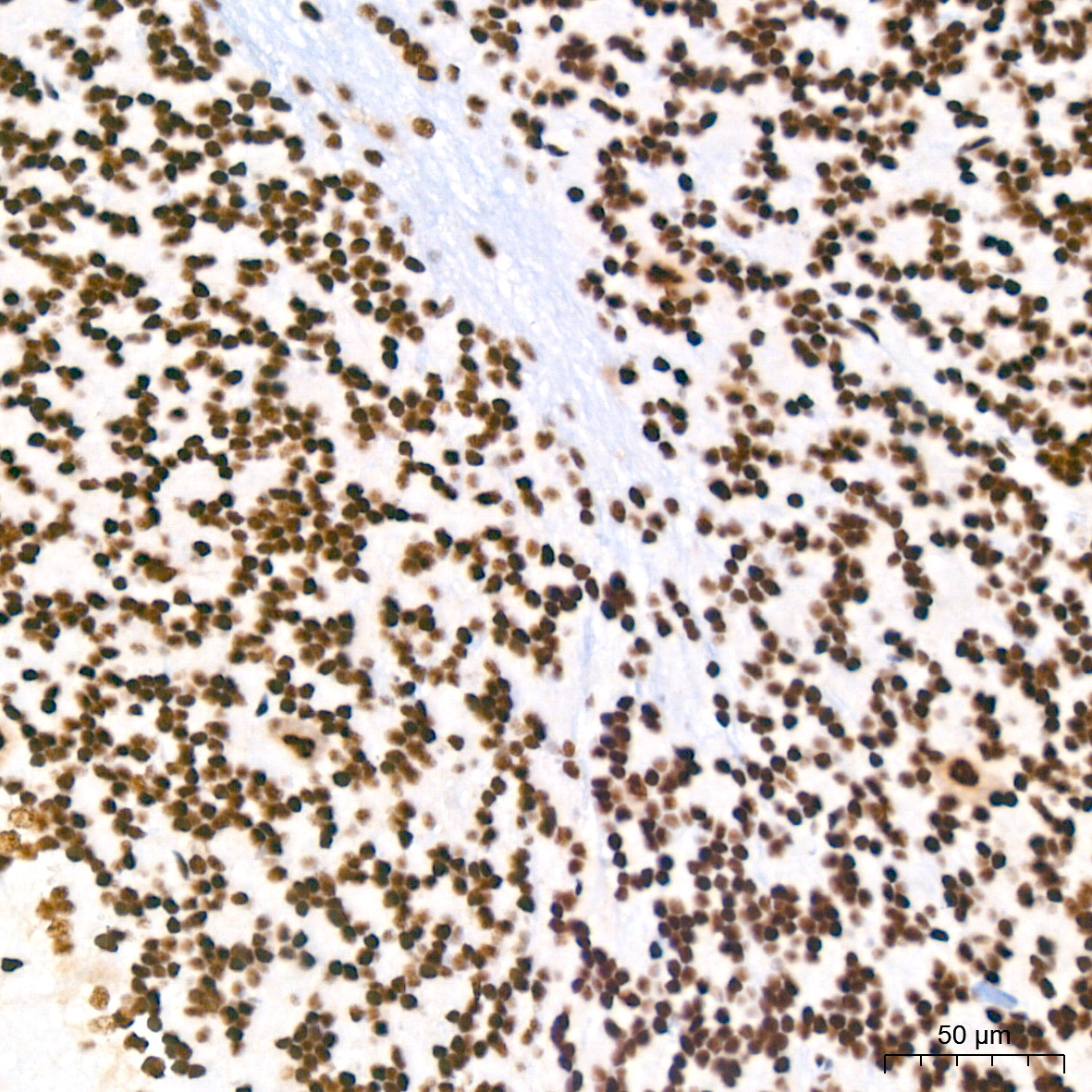
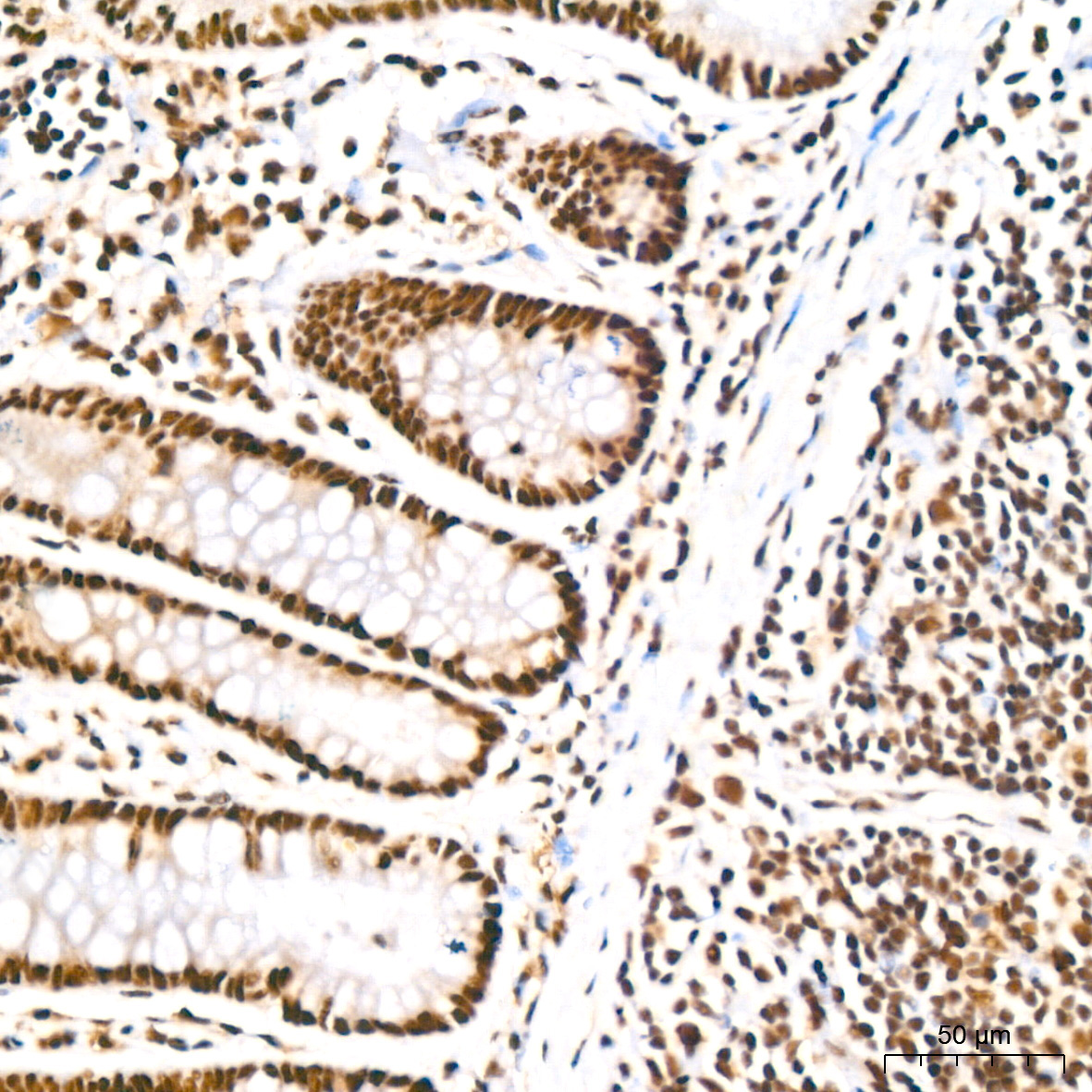
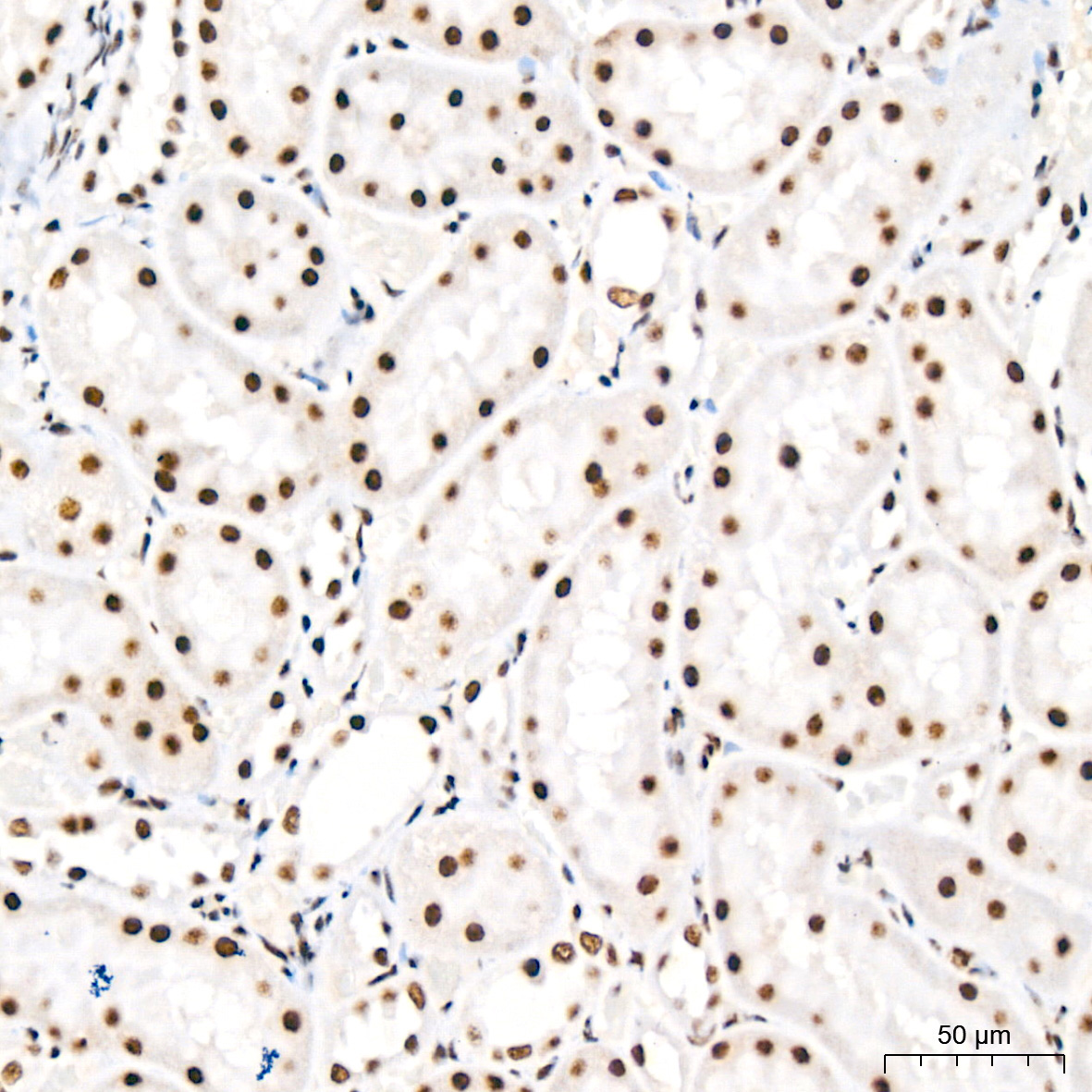
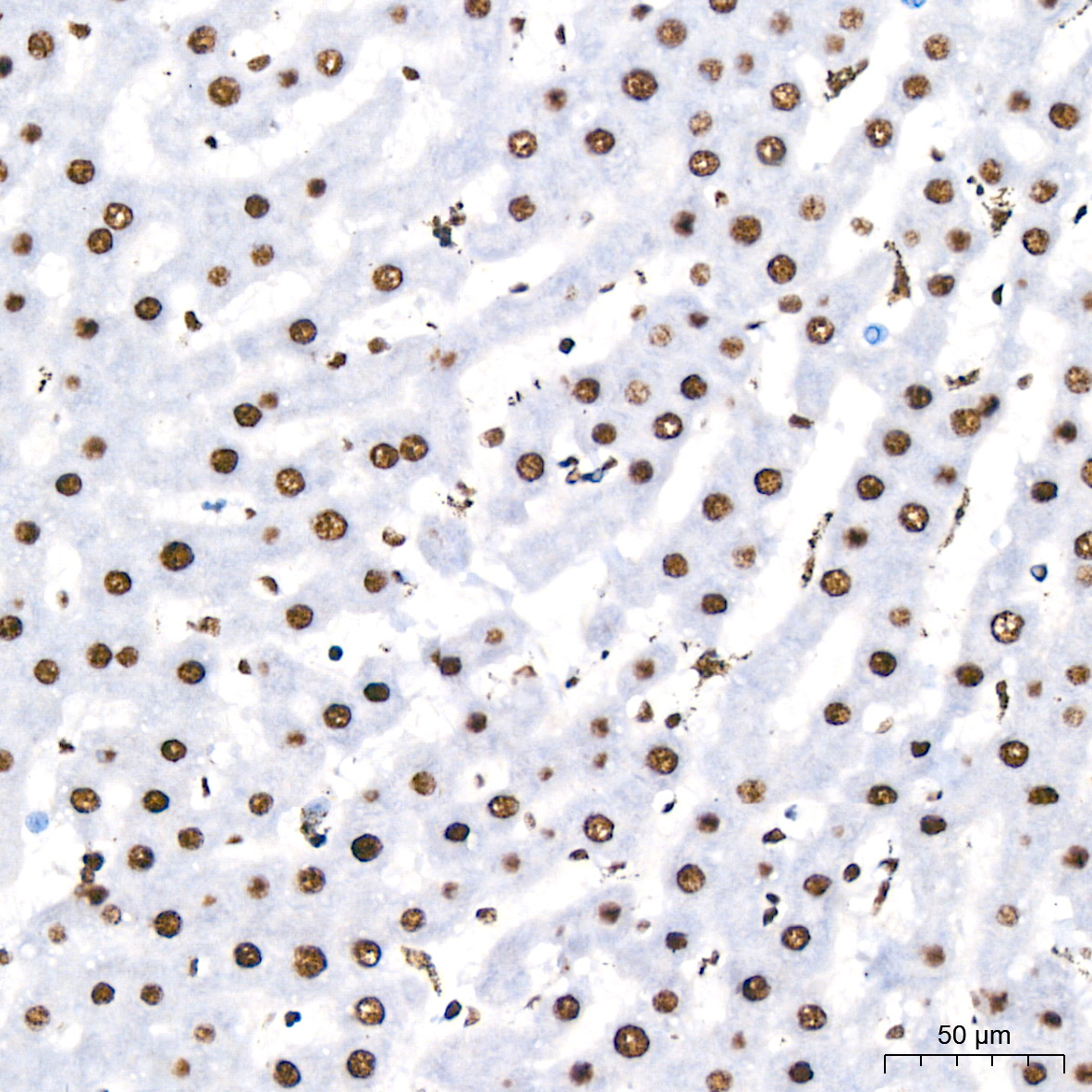
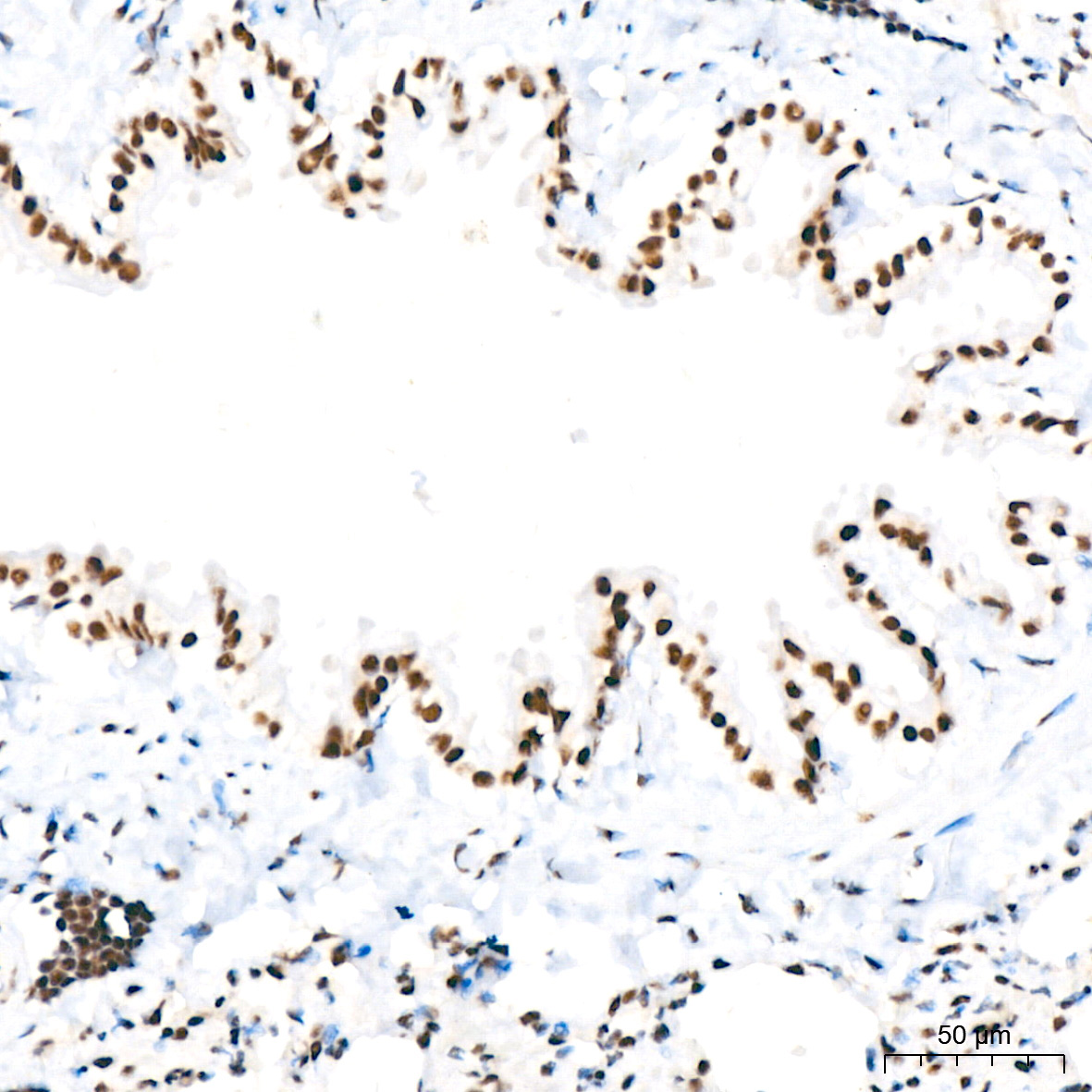
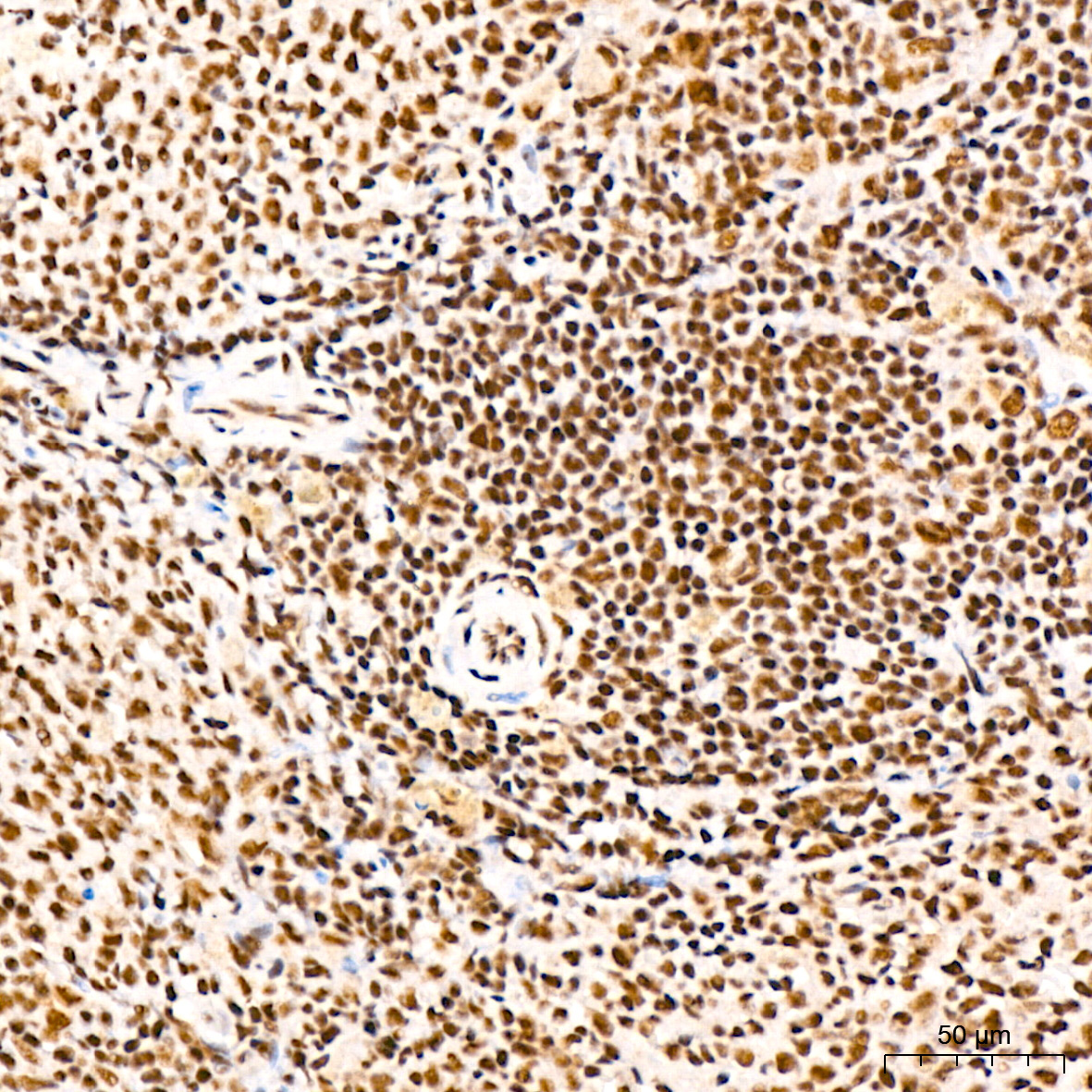
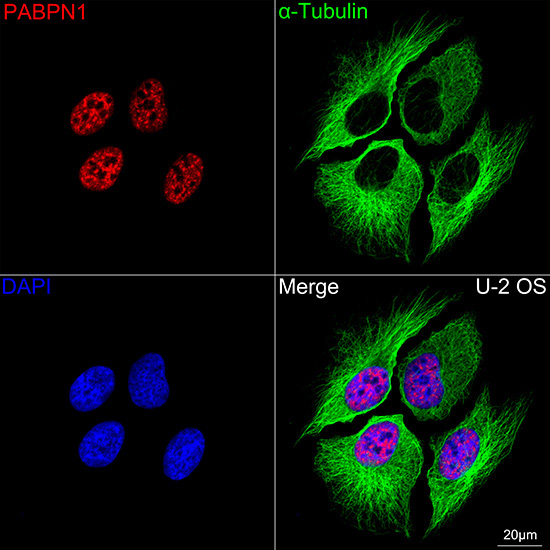
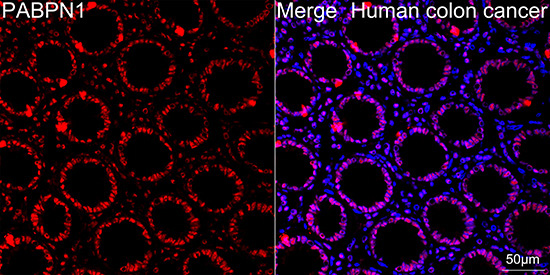
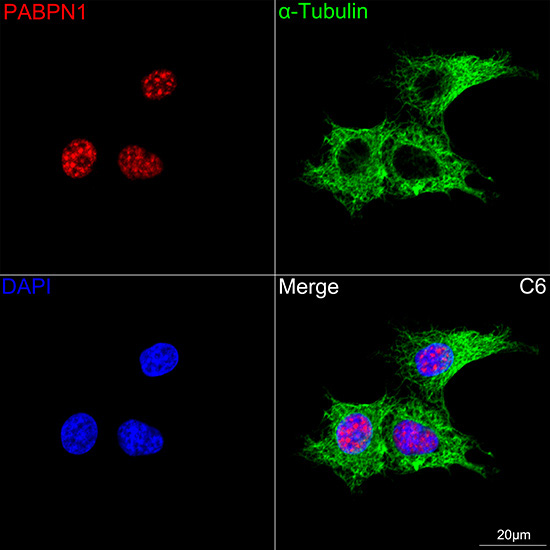
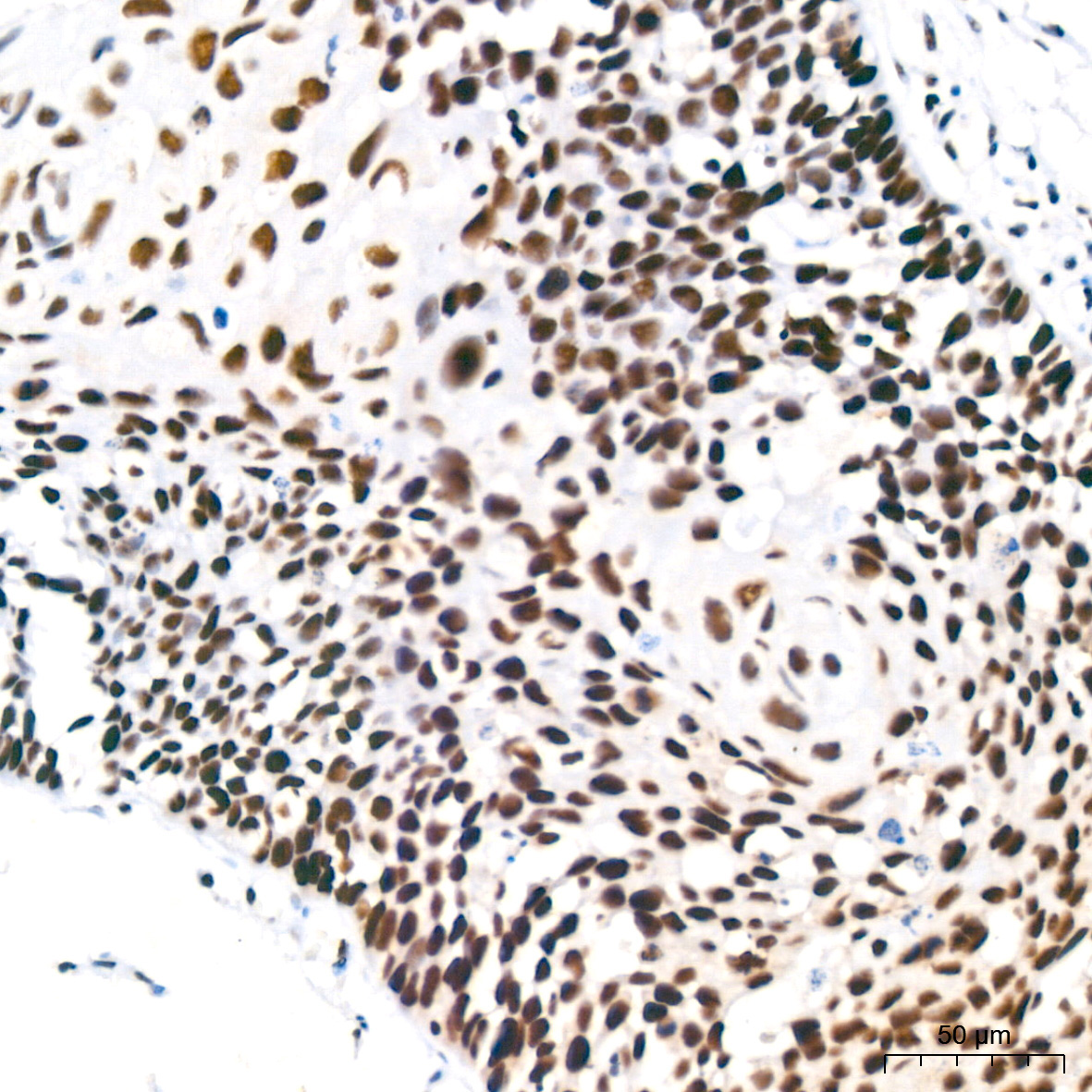
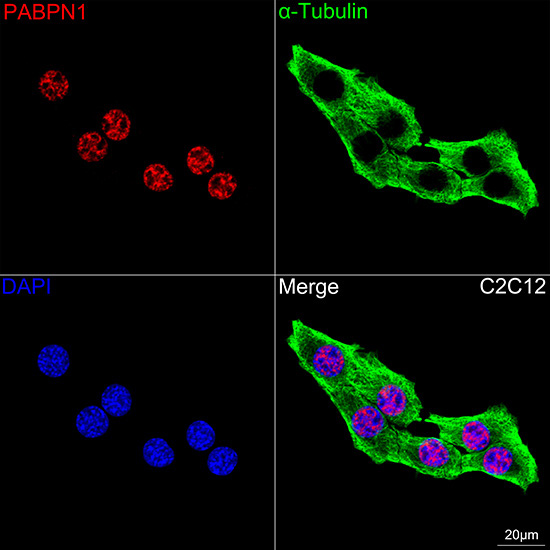
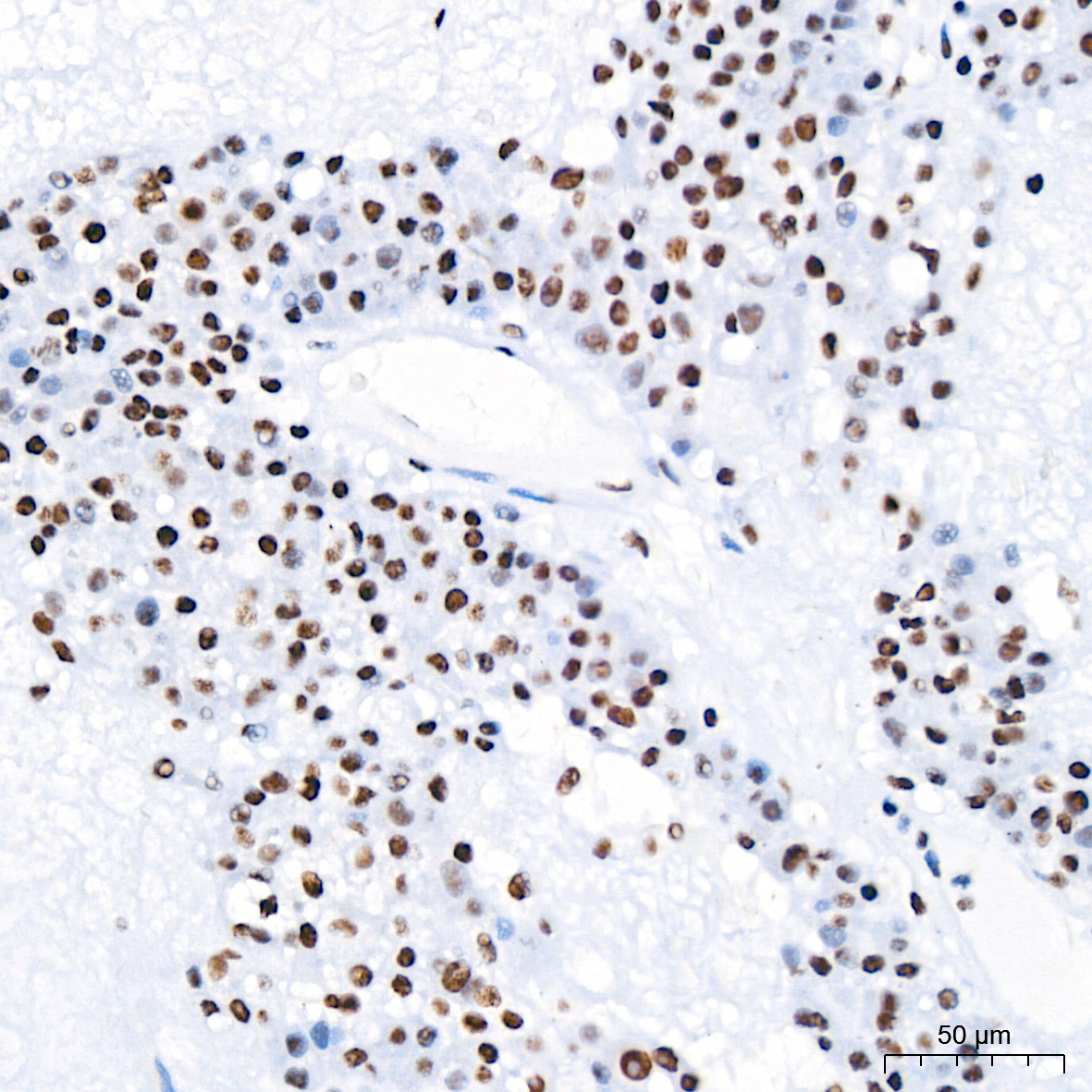
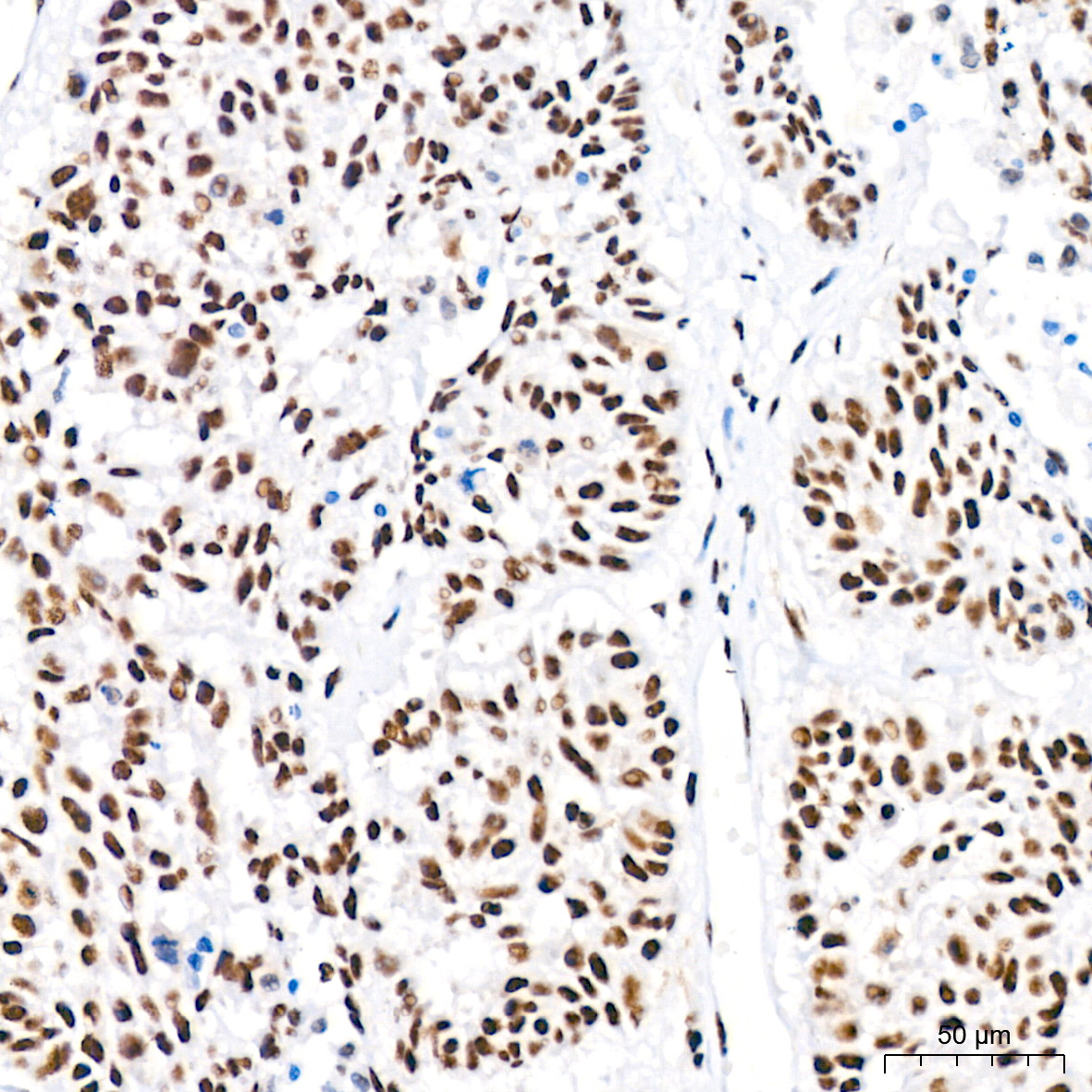
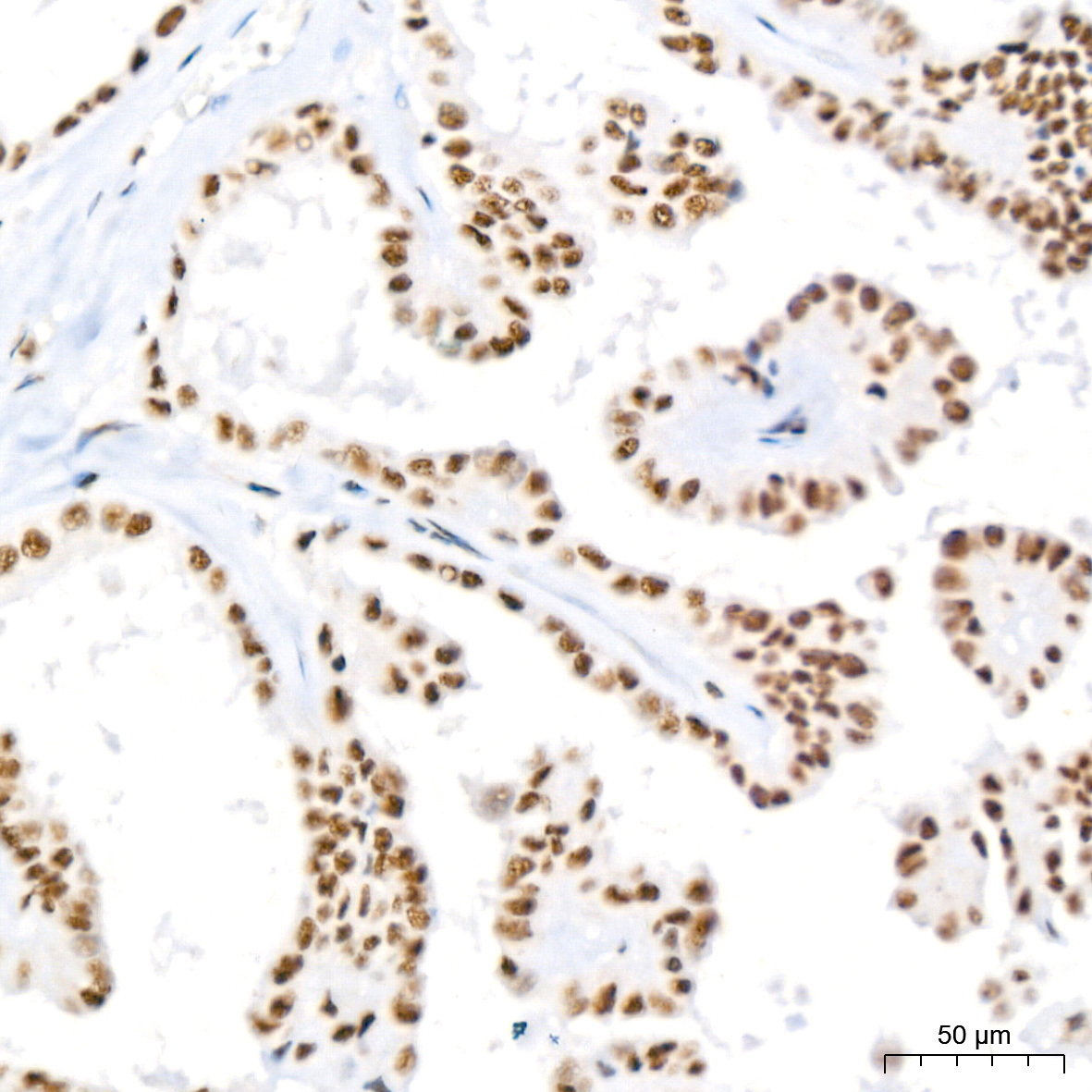
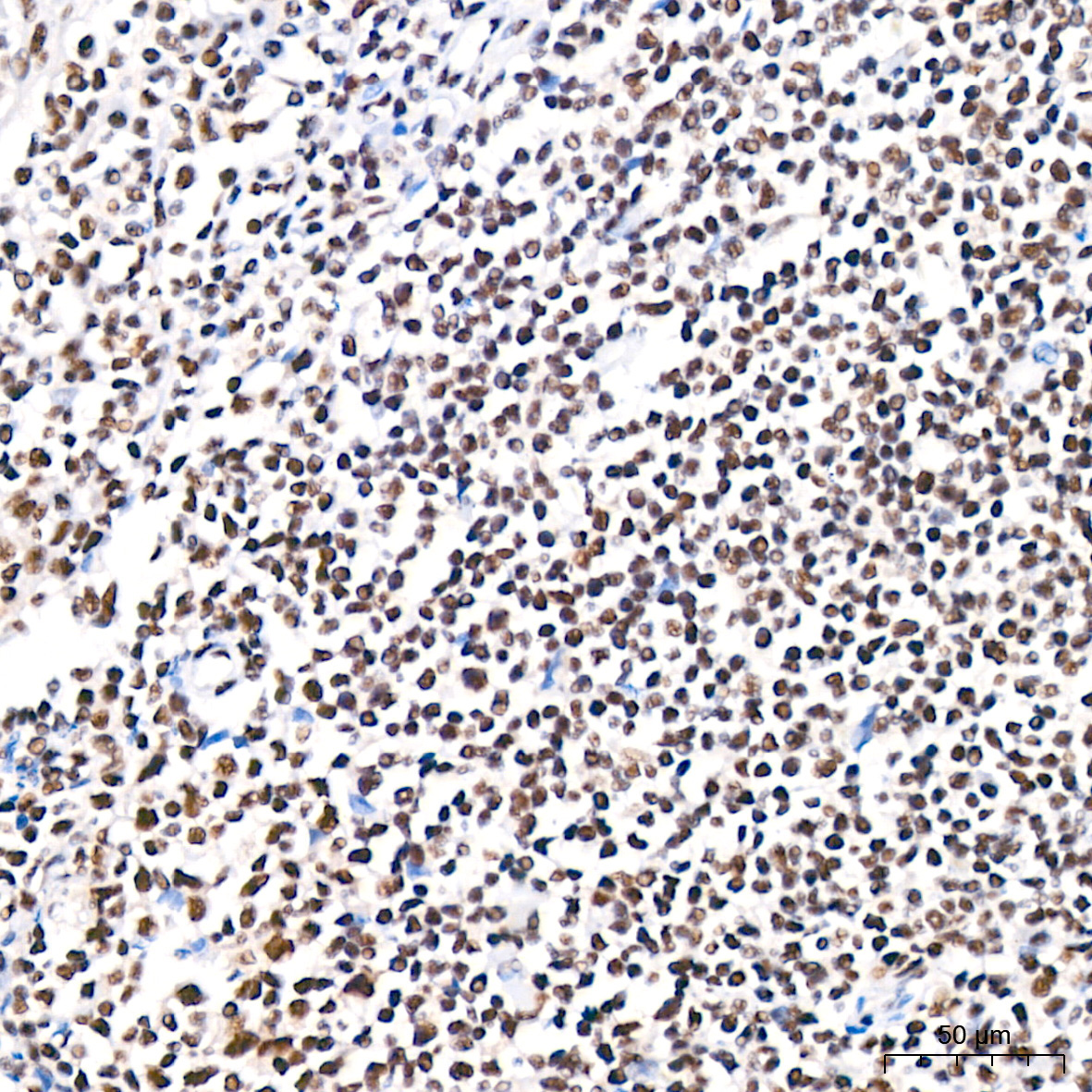
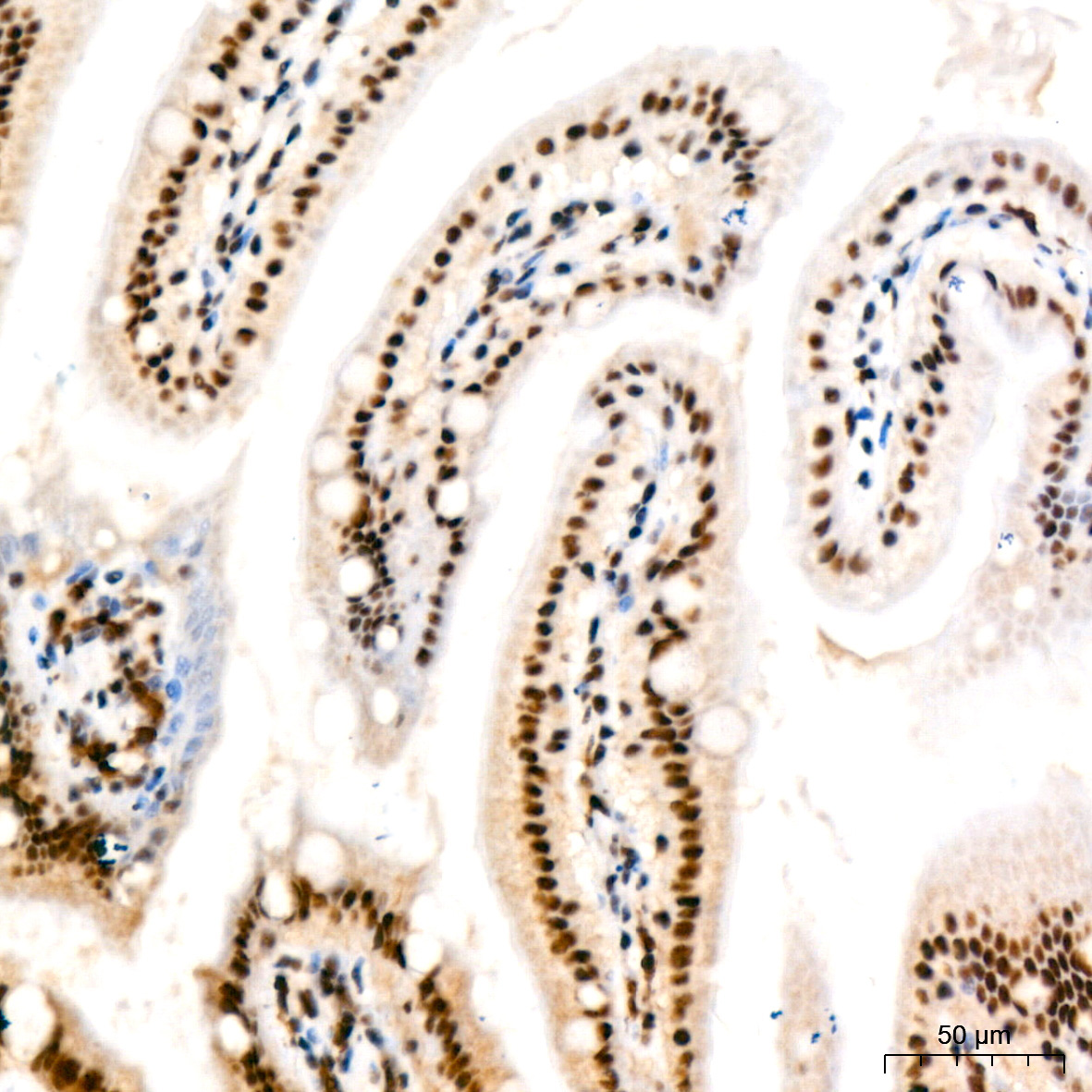
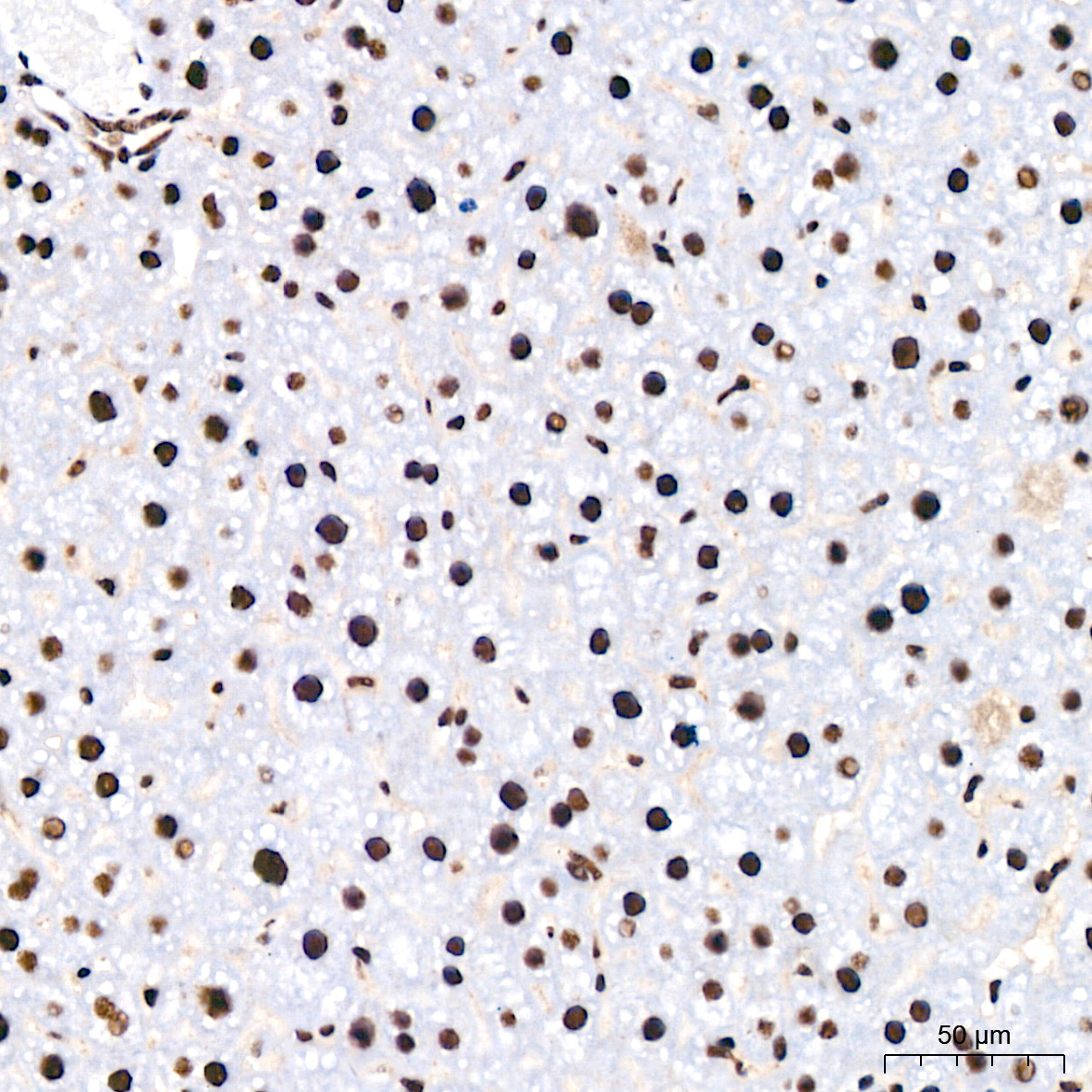
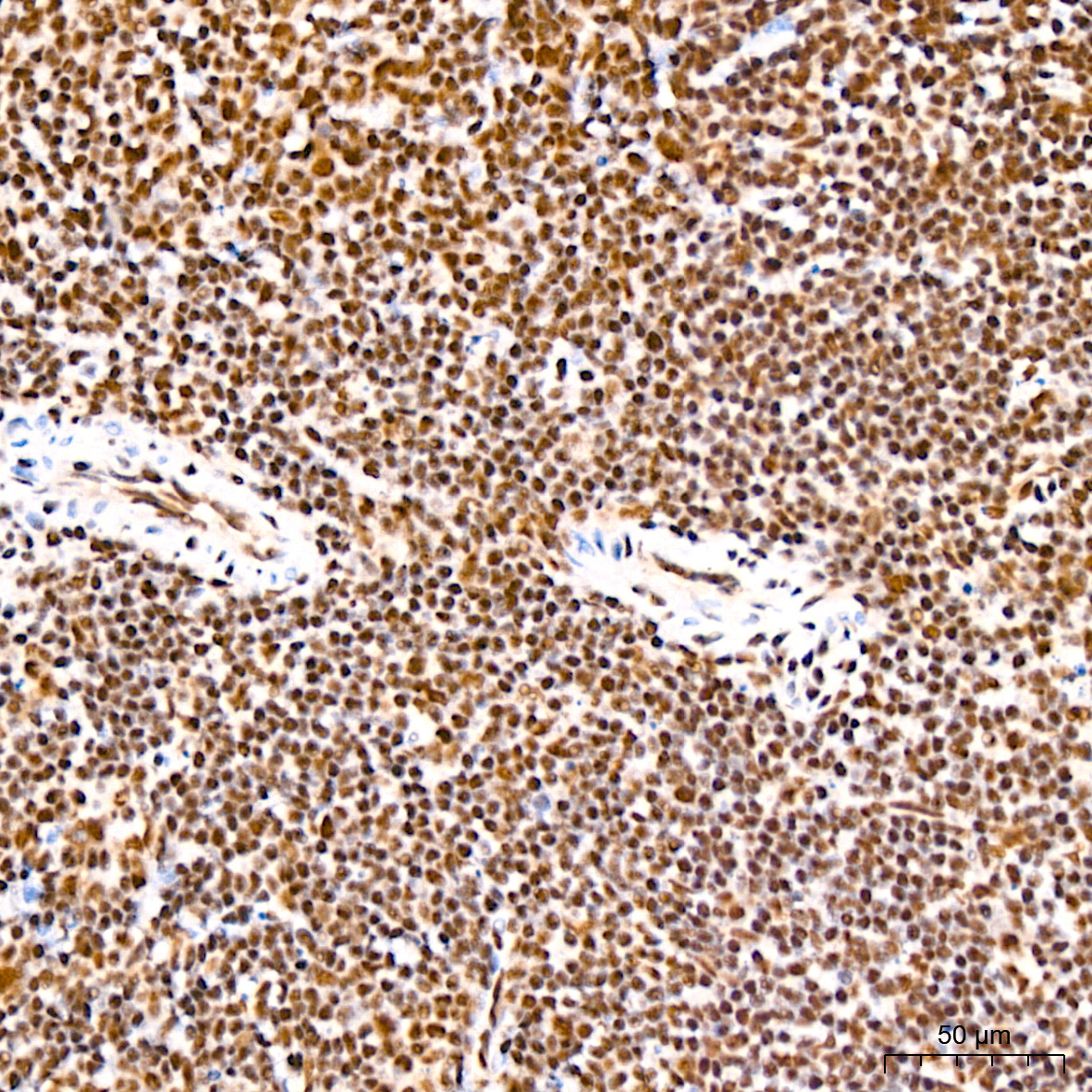
| Pack Size | 100ul, 1ml, 20ul |
|---|---|
| Applications | ELISA, IF/ICC, IHC-P, WB |
| Host Species | Rabbit |
| Ig Isotype | IgG |
| Antibody Type | Monoclonal Antibody |
| Organism Species | Human |
| Product Synonyms | PN1 |
| Observed Mol Wt | 31kDa/33kDa |
| Alternative Names | OPMD; PAB2; PABII; PABP2; PABP-2; PABPN1 |
| Immunogen (Antigen) | synthetic peptide |
| Format | Liquid |
| Buffer Formulation | 0.05% BSA, 50% glycerol, PBS with 0.02% sodium azide, pH7.3 |
| Reactivity | Human, Mouse, Rat |
| Uniprot ID | 8106 |
| Gene ID | Q86U42 |
| Potency (Clone Number) | ARC0730 |
| Purification | Antigen-specific affinity chromatography followed by Protein A affinity chromatography |
| Usage | For Research Use Only. Not for diagnostics or human use. |
| Shelf Life | 12 months at time of shipping |
| Shipping | Shipped in Dry Ice at -20 Degree Celsius |
| Storage | Store at -20 Degree Celsius. It is recommended to aliquot and store to avoid repeated freeze-thaw as it affects the stability of the antibody. |
| Research Areas | Cell Biology, Developmental Biology, Immunology |
| KD/KO Validated | KD Validated |
| Disclaimer | The data indicated herein are as indicated and validated in our laboratory. These reagents are for research use only and not for in-vitro diagnostics or human use. |
Related Products
-
![Casein Kinase 2 alpha (CSNK2A1) Rabbit Monoclonal Antibody [KD Validated]](https://www.kinesisdx.com/wp-content/uploads/2026/10/KDXB200014_1.jpg) Sale
Cancer
Sale
CancerCasein Kinase 2 alpha (CSNK2A1) Rabbit Monoclonal Antibody [KD Validated]
Price range: $110.00 through $430.00 -
![EGFR Rabbit Monoclonal Antibody [KD Validated]](https://www.kinesisdx.com/wp-content/uploads/2026/10/KDXB200031_1.jpg) Sale
Sale
-
![IRAK4 Rabbit Monoclonal Antibody [KD Validated]](https://www.kinesisdx.com/wp-content/uploads/2026/10/KDXB200062_1.jpg) Sale
Sale
-
![Bid Rabbit Monoclonal Antibody [KD Validated]](https://www.kinesisdx.com/wp-content/uploads/2026/10/KDXB200012_1.jpg) Sale
Sale
-
![IL13 Rabbit Monoclonal Antibody [KD Validated]](https://www.kinesisdx.com/wp-content/uploads/2026/10/KDXB200059_1.jpg) Sale
Sale
-
![glucose-6-phosphate isomerase Rabbit Monoclonal Antibody [KD Validated]](https://www.kinesisdx.com/wp-content/uploads/2026/10/KDXB200049_1.jpg) Sale
Cancer
Sale
Cancerglucose-6-phosphate isomerase Rabbit Monoclonal Antibody [KD Validated]
Price range: $110.00 through $430.00
Reviews
There are no reviews yet.